One command structure for complex, high-stakes situations where no single person is currently responsible for the whole.
Snyder assumes central command — aligning all workstreams under a single governing strategy, directing law firms, investigators, and advisors, and driving the matter toward forced resolution.
Most complex situations fail not because of bad lawyers or bad facts — but because no one is in command.
Multiple firms handle separate pieces. Advisors produce motion within their lanes. No one produces convergence. The matter becomes unstable not because the stakes are high, but because no single figure is responsible for the whole.
Snyder establishes central command, aligns all participants under a single governing strategy, and assumes direct responsibility for the outcome environment.
One center. Full authority. From day one through resolution.
Six operational layers where central command changes what is possible.
Command at the center. Depth around it.
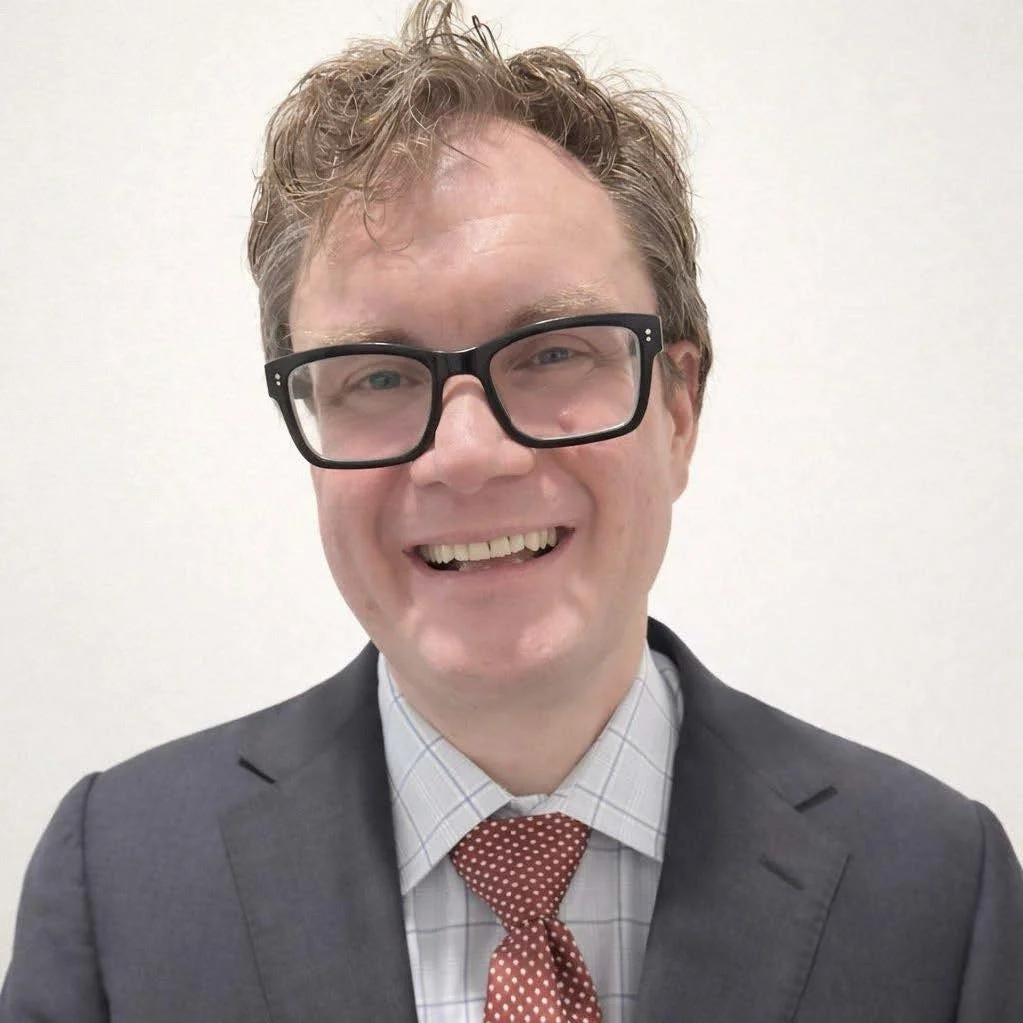
Snyder steps into matters that have become fragmented, unstable, or overloaded, imposing control at the center, and directing the effort toward disciplined resolution.
Founder and CEO of Agnes Intelligence, which placed 4th among more than 1,000 entries in the IBM Watson Build competition. That background in computational sensemaking directly informs how he maps complex multi-party situations and builds the decision architecture that drives resolution.
Limited to situations where central intervention can still affect the outcome.
The initial conversation is direct: where has control been lost, what is driving the instability, and will a governing command structure change what is possible.
Initial discussions are private. Engagement begins immediately upon confirmation.
Costs Nothing.
We engage in matters where central command can still materially change what is possible. Briefly describe the situation and its current state. Do not send privileged or confidential information.